seismic wire rope plays a crucial role in monitoring and studying seismic activity across the globe. With the increasing frequency and intensity of earthquakes, it has become more important than ever to have reliable and accurate systems in place to detect and measure seismic activity. seismic wire rope is a key component of these systems, providing the necessary strength and durability to withstand the harsh conditions of seismic monitoring.
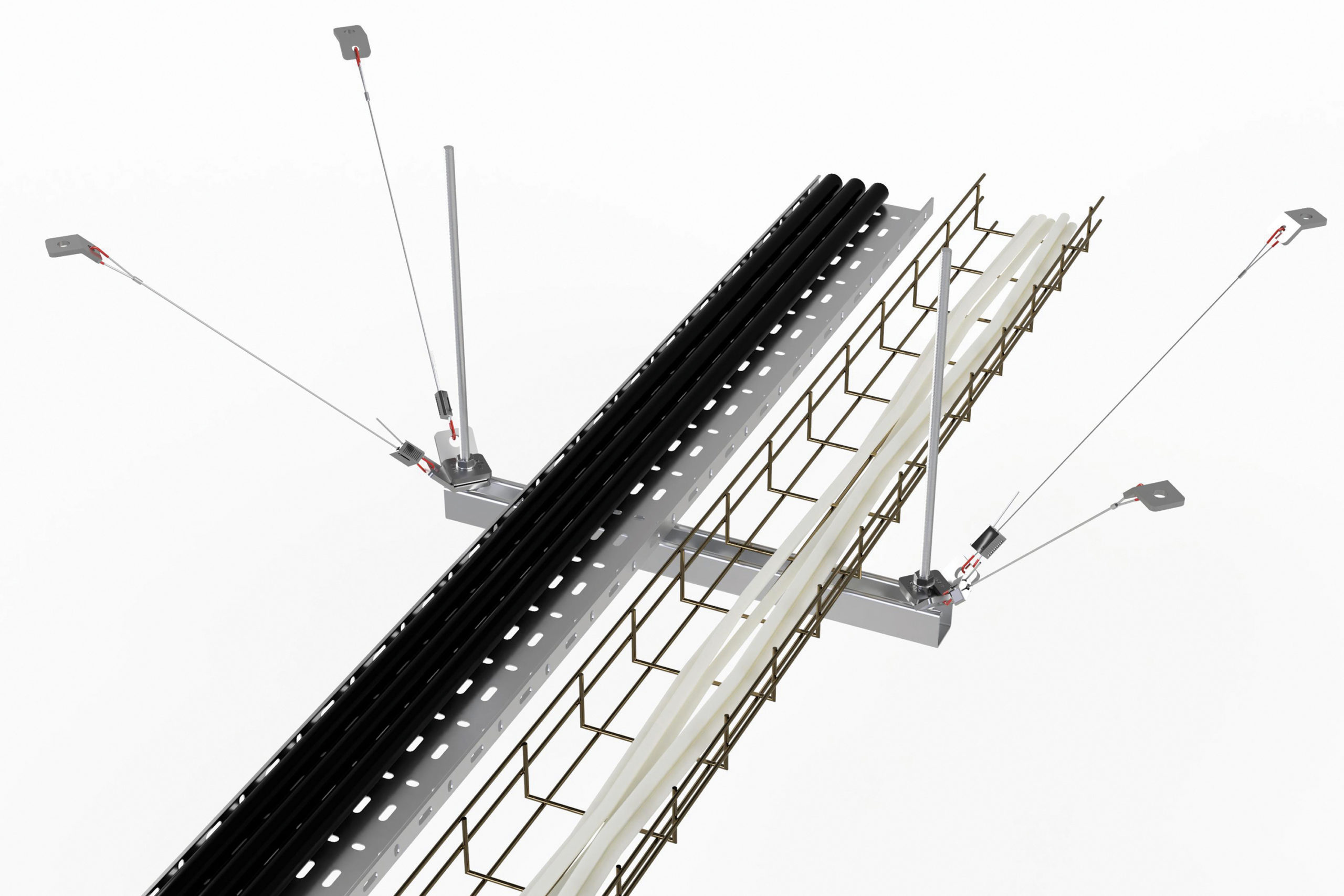
seismic wire rope is specifically designed to be used in seismic monitoring systems, where it is often deployed in boreholes or on the ocean floor to measure ground movement and seismic waves. These ropes are typically made of high-strength steel wires that are tightly wound together to form a strong and flexible cable. The construction of seismic wire rope is crucial to its performance, as it must be able to withstand the forces exerted by seismic activity without breaking or stretching.
One of the main benefits of seismic wire rope is its durability. The harsh conditions of seismic monitoring can put significant strain on equipment, making it essential to use materials that can withstand these challenges. Seismic wire rope is designed to be highly durable, with a high tensile strength and resistance to abrasion, corrosion, and fatigue. This ensures that the wire rope can perform reliably over long periods of time, even in the most challenging environments.
Another benefit of seismic wire rope is its flexibility. Seismic monitoring systems often require cables to be deployed in tight spaces or curved paths, making flexibility a key requirement. Seismic wire rope is designed to be highly flexible, allowing it to be easily installed and maneuvered in a variety of configurations. This flexibility also helps to reduce the risk of damage to the wire rope during installation or operation, ensuring that the monitoring system remains operational and accurate.
In addition to its durability and flexibility, seismic wire rope also offers high accuracy and sensitivity in measuring seismic activity. The design of the wire rope ensures that it can detect even the smallest ground movements and seismic waves, providing valuable data for monitoring and studying earthquakes. This high level of accuracy is essential for ensuring the safety of communities living in earthquake-prone areas and for advancing our understanding of seismic activity.
Seismic wire rope is also cost-effective compared to other monitoring methods. The initial investment in seismic wire rope may be higher than other monitoring systems, but the long-term reliability and durability of the wire rope help to offset these costs. By using seismic wire rope, organizations can reduce maintenance and replacement expenses, as well as minimize downtime due to equipment failures. This makes seismic wire rope a cost-effective solution for long-term seismic monitoring.
Overall, seismic wire rope plays a crucial role in enhancing seismic monitoring systems and advancing our understanding of earthquakes. Its durability, flexibility, accuracy, and cost-effectiveness make it an essential component of modern seismic monitoring systems. By investing in high-quality seismic wire rope, organizations can ensure the reliability and accuracy of their seismic monitoring efforts, helping to protect communities and infrastructure from the devastating effects of earthquakes.
In conclusion, seismic wire rope is a vital component of seismic monitoring systems, providing the strength, durability, flexibility, accuracy, and cost-effectiveness needed to measure and study seismic activity. Its unique design and properties make it an ideal choice for monitoring earthquakes and ground movements, and its importance in enhancing seismic monitoring efforts cannot be overstated. By using seismic wire rope, organizations can ensure the safety of communities living in seismically active areas and contribute to the advancement of our knowledge of earthquakes.